15 choses à savoir avant de partir au Japon en 2026
Guide ultime 2026 : tout ce qu’il faut savoir avant de partir à Tokyo Disneyland & Universal Studios Japan
Par My Magic Tour – Spécialiste Disney & Universal dans le monde entier
Le Japon figure en tête de liste des destinations de voyage les plus populaires pour 2026, mais le pays est strict en matière d’étiquette, et les touristes internationaux commettent souvent de simples erreurs. Bien que les Japonais soient assez indulgents face aux petits faux pas, il est important de faire ses recherches avant de réserver des vacances.
Les choses sont très différentes au Japon, de la commodité des trains à grande vitesse à la navigation dans le système d’adresses de rue qui peut dérouter même les visiteurs fréquents de la région. Dans cet article, nous décomposons tout ce qu’il faut savoir avant de visiter le Japon, de la meilleure période de l’année à l’étiquette culinaire importante et aux conseils pratiques pour profiter pleinement de vos vacances.
Le Japon fascine, intrigue et émerveille. En 2026, l’archipel figure parmi les destinations les plus convoitées au monde, mais il reste aussi l’un des pays où les codes culturels, la précision et le respect des usages jouent un rôle central. Chez My Magic Tour, nous accompagnons chaque voyageur dans la création d’un séjour parfaitement fluide, élégant et respectueux des traditions locales. Pour vous aider à préparer un voyage inoubliable, voici les 15 points essentiels à connaître avant de partir.
Sommaire
Préparation et planification du voyage
Comprendre les codes culturels japonais
Transports et déplacements
Hébergement et où séjourner
Conseils pratiques pour visiter le Japon
Préparation et planification du voyage
Voyager au Japon demande un minimum d’anticipation, mais une bonne préparation transforme l’expérience en un véritable enchantement.
La majorité des visiteurs provenant de pays exemptés de visa peuvent séjourner jusqu’à 90 jours. Un passeport valide, une preuve de fonds et un billet retour suffisent généralement. Pour fluidifier l’arrivée, l’enregistrement préalable sur Visit Japan est fortement recommandé.
Pour les voyageurs nécessitant un visa, la procédure est désormais simplifiée grâce au eVISA numérique.
Les voyageurs peuvent accélérer le processus d’immigration avant leur arrivée dans le pays en s’inscrivant à l’avance sur le site « Visit Japan ». Des empreintes digitales et des photographies seront également prises par l’immigration à l’arrivée. Les visiteurs qui ne sont pas originaires d’un pays exempté de visa peuvent demander un eVISA numérique ou un visa traditionnel auprès d’une ambassade du Japon.
Chez My Magic Tour, nous conseillons toujours d’imprimer une copie papier des réservations et de vérifier que tous les noms correspondent parfaitement aux documents officiels, notamment pour les voyages de noces.
Comment commencer à planifier un voyage au Japon
La première étape consiste à définir un itinéraire cohérent et réaliste. Tokyo Haneda (HND) est l’aéroport le plus fréquenté, mais selon votre parcours — Kyoto, Osaka, Hokkaido — d’autres options peuvent être plus pertinentes.
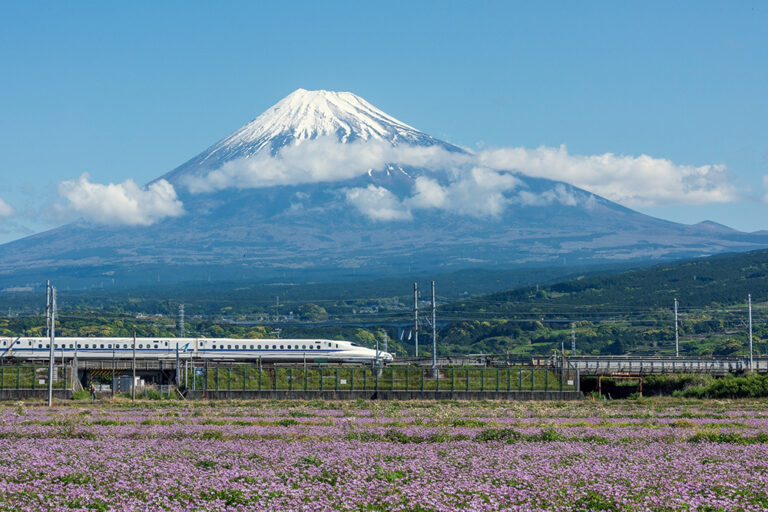
Le train est le moyen de transport le plus fluide, le plus ponctuel et le plus agréable pour découvrir le pays. Planifier l’itinéraire en amont permet d’optimiser les trajets et de choisir les bons titres de transport.
Conseil My Magic Tour : réservez tout très tôt. Les attractions emblématiques telles que :
Il est généralement moins cher de réserver un billet aller-retour via le même aéroport, alors choisissez d’abord votre date de départ ; cela vous aidera à sélectionner l’aéroport le plus pratique pour votre correspondance. Les trains sont le moyen le plus simple de voyager au Japon, offrant à vos clients des vues panoramiques tout en les transportant d’une destination à une autre en quelques heures.
Nous discuterons plus loin de conseils plus spécifiques sur les billets de train, mais planifier l’itinéraire initial du groupe à l’avance permet de mieux comprendre quel type de billets ils auront besoin.
Le conseil numéro un pour planifier un voyage à Tokyo est de tout réserver à l’avance . Les billets pour les attractions populaires peuvent se vendre des mois à l’avance, qu’il s’agisse de visiter le Musée Ghibli, d’explorer Tokyo DisneySea (considéré comme le meilleur parc Disney au monde) ou d’aller à Shibuya Sky.
Les réservations anticipées garantissent aux voyageurs l’accès à ces attractions et les aident parfois à éviter les longues files d’attente. Bien que certains billets à tarif réduit puissent être disponibles, réserver le plus tôt possible dans la période de réservation assure toujours la meilleure disponibilité.
Quand visiter le Japon pour la meilleure expérience
Le Japon n’a plus vraiment de basse saison : chaque période offre une atmosphère unique.
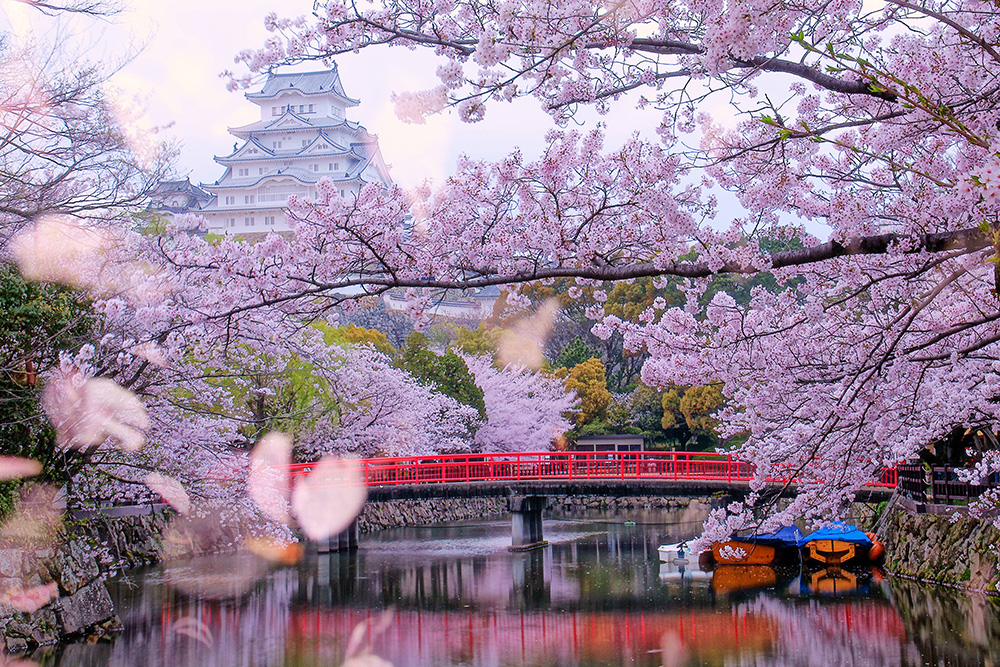
1. Saison des cerisiers en fleurs (Sakura)
Fin mars – avril : la période la plus magique… et la plus fréquentée.
2. Golden Week
Fin avril – début mai : affluence maximale, prix élevés.
3. Été
Festivals traditionnels, feux d’artifice, atmosphère vibrante… mais chaleur humide.
4. Hiver
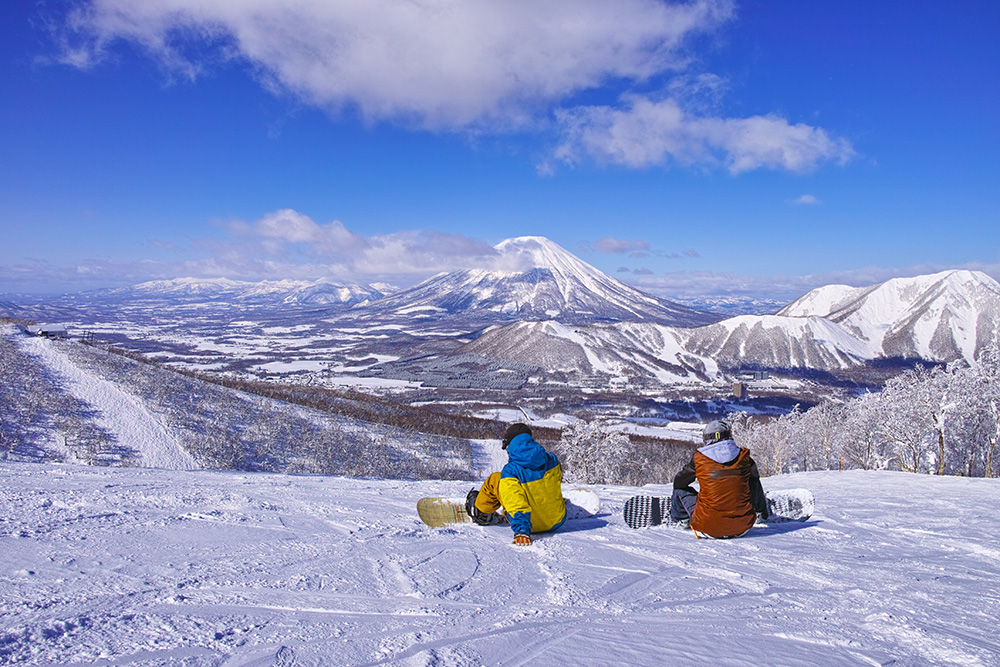
Idéal pour les amateurs de neige : ski à Hokkaido, Festival de neige de Sapporo.
5. Saison des typhons
Septembre – fin octobre : prévoyez de la flexibilité.
Conseil My Magic Tour : souscrivez une assurance voyage dès que vous réservez vos vols et votre hébergement.
La popularité du Japon signifie qu’il n’y a plus de période vraiment « calme » pour visiter. Chaque saison offre une expérience différente, et divers facteurs peuvent influencer les coûts, des prix des vols à la disponibilité des hébergements et des billets d’attractions.
Saison des cerisiers en fleurs (Sakura)
La saison des cerisiers en fleurs (Sakura), qui s’étend de fin mars à avril, est la période la plus fréquentée de l’année, avec de nombreux visiteurs affluant vers le parc Ueno de Tokyo et le chemin des Philosophes de Kyoto pour découvrir les meilleurs spots d’observation des Sakura. La Golden Week, l’une des plus grandes fêtes du Japon, est une autre période très fréquentée, ce qui rend la visite de fin avril et début mai coûteuse.
La saison des cerisiers en fleurs (Sakura), qui s’étend de fin mars à avril, est la période la plus fréquentée de l’année.
L’été est la période où les visiteurs profitent des festivals, appelés matsuri, et des feux d’artifice réguliers. Cependant, le temps est chaud et humide, avec des températures quotidiennes moyennes dépassant 30°C à Tokyo et Osaka.
Hiver
En comparaison, l’hiver est une période idéale pour profiter d’expériences en plein air comme le ski à Hokkaido ou la participation au Festival de neige de Sapporo .
Saison des typhons
La saison des typhons s’étend de septembre à fin octobre, et il est conseillé aux voyageurs d’être plus flexibles avec leurs plans car des perturbations peuvent survenir en raison d’alertes météorologiques. Si votre groupe voyage avec des enfants ou planifie un voyage unique, il est préférable d’éviter le risque de visiter pendant la saison des typhons.
Conseil My Magic Tour : chaque fois que vous planifiez de visiter, il est important de souscrire une assurance voyage en même temps que les vols et l’hébergement de votre groupe.
L’hiver est une période idéale pour profiter d’activités en plein air comme le ski à Hokkaido.
⭐ Découvrir les parcs Disney et Universal au Japon : une expérience incontournable
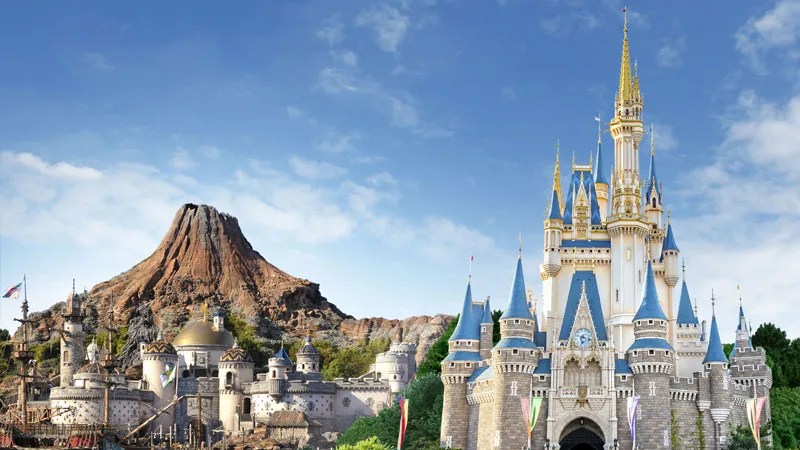
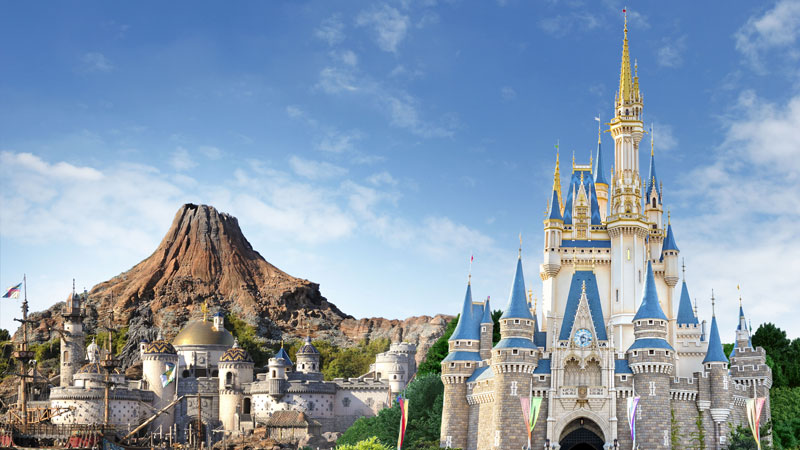
Le Japon abrite trois des parcs à thème les plus extraordinaires au monde : Tokyo Disneyland , Tokyo DisneySea , et Universal Studios Japan . Pour de nombreux voyageurs, ces parcs sont plus que de simples visites ; ce sont de véritables expériences magiques qui définissent une vie d’aventure. Chez My Magic Tour , nous aidons chaque année des familles, des couples et des passionnés à créer des expériences parfaitement orchestrées dans ces lieux emblématiques.
Tokyo Disneyland : la magie classique avec la précision japonaise
Tokyo Disneyland capture l’esprit des parcs américains, mais avec une qualité d’exécution inégalée. Des attractions exclusives comme Enchanted Tale of Beauty and the Beast ou Pooh’s Hunny Hunt justifient à elles seules une journée complète.
Tokyo DisneySea : le parc Disney le plus exceptionnel au monde
Considéré comme le meilleur parc Disney jamais créé , Tokyo DisneySea offre une immersion spectaculaire dans des mondes marins, mythologiques et fantastiques. C’est un parc conçu pour les adultes comme pour les familles, avec une atmosphère raffinée et des décors incroyablement riches.
Universal Studios Japan : énergie, innovation et franchises cultes
À Osaka, Universal Studios Japan offre une expérience plus dynamique, centrée sur les grandes franchises :
Super Nintendo World
Harry Potter
Jurassic Park
Jujutsu Kaisen
Pourquoi passer par My Magic Tour ?
Les parcs japonais fonctionnent avec des systèmes complexes :
billets à date fixe,
files virtuelles,
loteries,
Express Pass,
réservations anticipées.
Nous aidons à choisir les meilleures dates, à optimiser les itinéraires et à intégrer les parcs dans un itinéraire global cohérent.
Établir un budget pour un voyage au Japon
La soudaine popularité de Tokyo comme destination incontournable pour les voyageurs a commencé grâce à son accessibilité. Bien que le Japon ne soit certainement pas l’un des pays les moins chers au monde, il est nettement plus abordable que la plupart des grandes destinations américaines et européennes.
Les vols seront la plus grande dépense lors d’une visite au Japon, bien qu’un itinéraire indirect puisse aider à réduire les coûts. Des compagnies aériennes internationales telles qu’American Airlines, British Airways, China Eastern, Emirates, KLM et Delta proposent des vols réguliers vers Tokyo et Osaka, bien que les voyageurs doivent d’abord se rendre dans un grand aéroport pour accéder à ces routes.
L’hébergement est l’endroit où vous pouvez économiser ou dépenser lors de la planification de vacances à Tokyo. Les voyageurs solo voyageant léger peuvent séjourner dans des hôtels capsules pour aussi peu que 20 USD par nuit, tandis que les auberges traditionnelles (appelées « ryokan ») sont une meilleure option pour les touristes qui souhaitent une expérience plus authentique. Celles-ci commencent généralement à 70 USD par nuit et sont tarifées de manière similaire aux hôtels de chaîne.
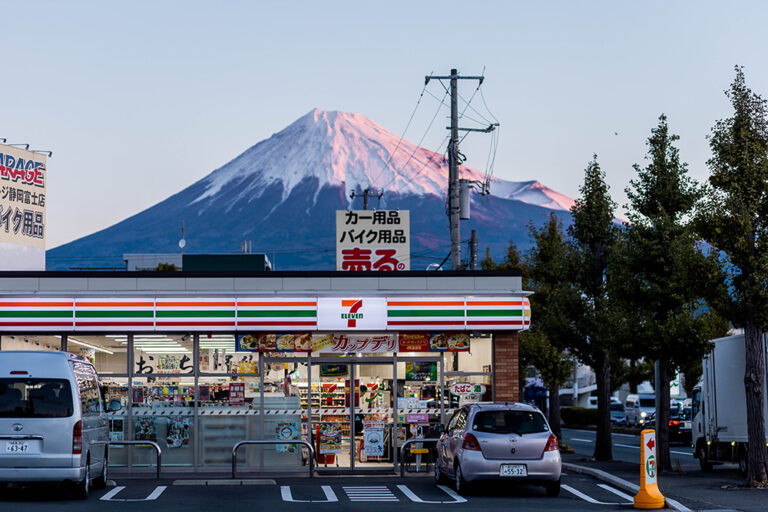
Les voyageurs à petit budget peuvent réduire leurs coûts quotidiens en profitant de la célèbre scène konbini du Japon. Ces supérettes sont généralement ouvertes 24h/24 et 7j/7 et vendent tout, des sandwichs aux œufs aux onigiri et à tous les snacks que vos clients pourraient vouloir glisser ! Ces magasins peuvent aussi être une bouée de sauvetage, car ils disposent souvent de distributeurs automatiques, d’imprimantes, de Wi-Fi et même de services de réservation de billets, et il y en a toujours au moins un à distance de marche.
Ces supérettes sont généralement ouvertes 24h/24 et 7j/7 et vendent tout, des sandwichs aux œufs aux onigiri et à toutes sortes de snacks.
Le Tokyo Disney Resort propose une collection d’hôtels absolument unique au monde, chacun offrant une atmosphère raffinée et un niveau de service exceptionnel.
Le plus prestigieux, le Tokyo Disneyland Hotel , rend hommage aux grands classiques Disney dans un cadre victorien somptueux, idéal pour les couples et les familles à la recherche d’une expérience immersive dès leur arrivée.
Situé à proximité immédiate de Tokyo DisneySea, l’Hotel MiraCosta est le seul hôtel Disney au monde situé à l’intérieur d’un parc , offrant des vues spectaculaires sur le port méditerranéen et une atmosphère romantique incomparable.
L’Disney Ambassador Hotel , d’inspiration Art déco, offre une atmosphère élégante et accueillante, parfaite pour les voyageurs recherchant un équilibre entre modernité et magie.
Le Tokyo Disney Resort Toy Story Hotel et le Tokyo Disney Celebration Hotel complètent l’offre avec des options plus abordables, tout en maintenant l’attention aux détails et la qualité de service pour lesquelles le complexe est réputé. Quel que soit l’hôtel choisi, séjourner dans une propriété Disney au Japon garantit un accès privilégié, une immersion totale et une fluidité inégalée pour profiter pleinement des parcs.
Quoi mettre dans sa valise
Il est facile de trop remplir sa valise pour les vacances, mais il est préférable de voyager aussi léger que possible pour le Japon. Les voyageurs visitant plusieurs endroits, en particulier ceux qui voyagent en train, voudront minimiser leurs bagages. La plupart des trains n’ont pas de place pour les bagages surdimensionnés, surtout si vous prévoyez également d’utiliser le métro. Les chambres de la plupart des hôtels sont également petites, surtout si vous voyagez en groupe ou avec de jeunes enfants.
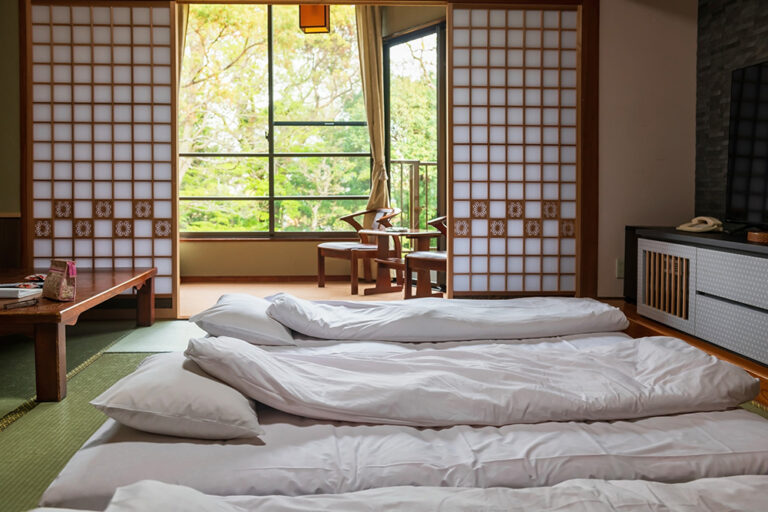
Il convient de noter que la plupart des ryokan et des hôtels onsen fournissent des pyjamas et des articles de toilette abondants. De même, il est important de faire ses bagages avec soin, en choisissant notamment des chaussures faciles à enfiler et à retirer, car les chaussures d’extérieur ne sont traditionnellement pas portées dans les foyers japonais, ni dans certains magasins et restaurants, même si vos clients visitent une chambre tatami traditionnelle.
Privilégiez des vêtements amples et polyvalents, faciles à superposer. La plupart des visiteurs profitent des taux de change favorables pour faire du shopping sérieux, notamment dans les quartiers de Shibuya et Harajuku à Tokyo. Bien que les voyageurs puissent acheter la plupart des essentiels à leur arrivée, il est conseillé d’apporter un adaptateur international, des médicaments de base et un ventilateur portable si vous visitez pendant les mois les plus chauds.
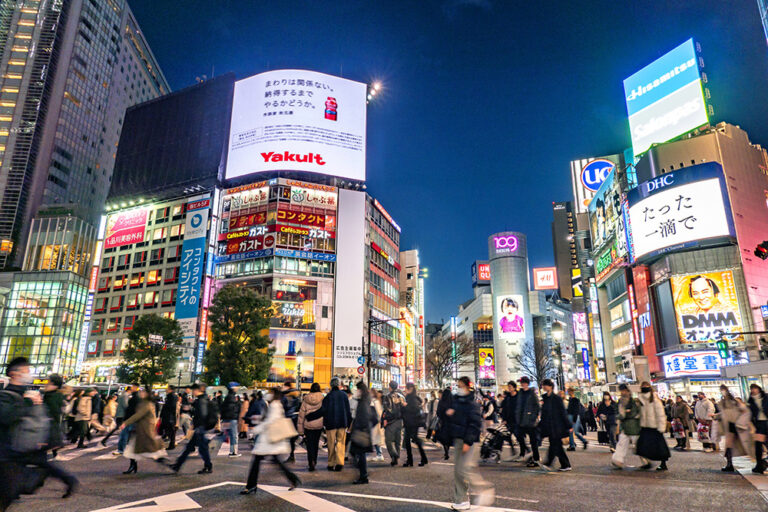
La plupart des visiteurs profitent des taux de change élevés pour faire des achats importants, notamment dans les quartiers de Shibuya et Harajuku à Tokyo.
La culture japonaise est basée sur le concept de « hairyo », avec un accent sur la prévenance et la considération, qui constitue la base de l’étiquette locale. Naviguer dans ces signaux sociaux peut être difficile et stressant pour les premiers visiteurs au Japon, mais montrer du respect et traiter les habitants avec considération vous fera certainement sentir le bienvenu.
Voici quelques-unes des normes sociales les plus courantes à connaître :
Les Japonais sont stricts sur le respect des espaces publics, ce qui signifie que les déchets sont rarement visibles. Cependant, les poubelles publiques sont difficiles à trouver, il est donc préférable d’apporter un petit sac pour jeter vos déchets.
Vous verrez des files d’attente ordonnées partout en public, des caisses de supermarché aux gares. Pas de files d’attente désordonnées !
S’incliner est une salutation courante et montre le respect. Une petite courbette peut faire toute la différence lors d’une rencontre.
Utilisez les deux mains lorsque vous donnez de l’argent ou remettez un objet.
Il est important de se tenir du côté gauche d’un escalator ; cependant, les règles opposées s’appliquent dans le Kansai.
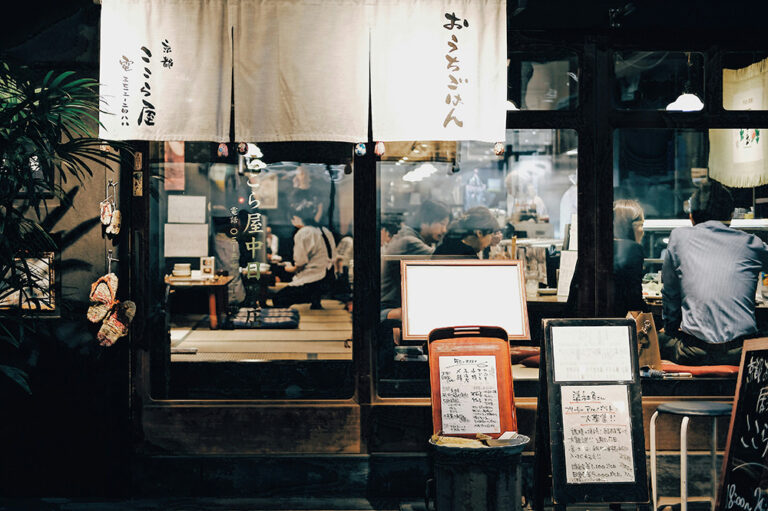
Les chaussures doivent être retirées avant d’entrer chez quelqu’un. La même règle s’applique à la plupart des temples et à certains restaurants traditionnels. Emportez de belles chaussettes !
Évitez de faire du bruit en public, surtout si vous êtes dans un train ou un restaurant.
Comportement attendu à table et dans les lieux publics
Manger en public, surtout en marchant, est à éviter au Japon. La seule fois où vous devriez manger en public, c’est dans les trains longue distance offrant des sièges réservés avec des bentos, comme le Shinkansen (train à grande vitesse), ou si vous êtes à un festival. Il est normal de boire dans une bouteille refermable, mais vous ne mangerez pas d’onigiri en traversant le carrefour de Shibuya.
Le pourboire est également inhabituel au Japon. Bien que les guides touristiques puissent s’attendre à un pourboire de certains visiteurs internationaux, les restaurants et bars appliquent généralement un petit supplément par personne (ou 10 % dans les établissements haut de gamme) automatiquement à votre addition au lieu d’un pourboire.
Les restaurants et bars appliquent généralement automatiquement un petit supplément de service par personne à votre addition au lieu d’un pourboire.
Comportement attendu à table et dans les lieux publics
Manger en marchant est mal vu.
Le pourboire n’est pas coutumier.
Certains restaurants facturent des frais de service
Choses à éviter au Japon
En tant que visiteur dans n’importe quel pays, il est important de montrer du respect. Lorsque les voyageurs découvrent pour la première fois un pays culturellement différent du leur, il est facile de faire des erreurs. Nous partageons quelques choses qu’ils veulent éviter de faire pendant leur séjour au Japon :
Ne mangez pas dans la plupart des lieux publics, y compris dans les trains locaux.
Évitez de faire du bruit ou de passer des appels téléphoniques dans les transports publics. Mettez votre téléphone en silencieux et parlez à voix basse.
Ne vous comportez pas de manière irrespectueuse dans les lieux sacrés, y compris les temples et les sanctuaires. Il est important de s’habiller de manière appropriée, y compris en portant des chaussettes si vous devez retirer vos chaussures, car être pieds nus est considéré comme inapproprié.
N’allez pas directement dans l’eau d’un onsen. Il est important d’utiliser les douches pour se laver et se rincer avant d’entrer dans l’onsen. Évitez d’éclabousser ou de plonger dans les bains communs et attachez les cheveux longs.
Ne présumez pas que vous pouvez aller dans un onsen si vous avez des tatouages visibles. Rappelez-vous, vous serez nu dans un bain commun séparé par sexe, il est donc presque impossible de cacher les tatouages. Bien que certains onsen les autorisent désormais (ou vous permettent de les couvrir avec un pansement), il est toujours préférable de vérifier à l’avance.
Communiquer poliment et gérer la barrière de la langue
La meilleure façon de garantir une expérience positive au Japon est d’apprendre quelques bases de japonais avant d’arriver. Bien que l’anglais soit largement parlé dans la plupart des villes, et que les voyageurs voient des panneaux en anglais dans la plupart des attractions majeures, il est plus difficile d’en trouver dans les zones rurales.
Voici quelques phrases de base à apprendre :
Konnichiwa (kon-nee-cee-wah) = bonjour
Sumimasen (so-me-mah-sen) = excusez-moi/pardon
Shinkansen (shuhn-kaan-sen) = train à grande vitesse
L’un des moyens les plus simples de surmonter les barrières linguistiques est de télécharger l’application Google sur votre téléphone. Les voyageurs peuvent l’utiliser pour scanner et traduire automatiquement les menus, les panneaux et les affiches écrits en japonais. Google Translate peut également aider les visiteurs à surmonter la barrière de la langue lorsqu’ils parlent avec des habitants ou posent des questions.
Après être descendus de leur vol, les touristes quittent généralement l’aéroport en train à grande vitesse, en bus ou en taxi privé. La plupart des visiteurs achèteront un Japan Rail (JR) Pass s’ils prévoient de passer du temps à visiter différentes villes du pays. Bien que le coût de ce pass ait considérablement augmenté ces dernières années, il permet toujours des voyages illimités sur les trains JR, y compris les trains à grande vitesse.
À moins que vous ne prévoyiez de visiter plusieurs villes, il peut être plus abordable d’acheter des billets de train individuels. Cependant, vous pouvez réserver des sièges à l’avance avec le JR Pass, avec des billets de 7, 14 et 21 jours disponibles pour les enfants et les adultes. Une réduction pour enfants est disponible pour les enfants de 6 à 11 ans.
Après être descendus de leur vol, les touristes quittent généralement l’aéroport en train à grande vitesse, en bus ou en taxi privé.
Citymapper est l’une des meilleures applications à télécharger pour naviguer dans les transports publics japonais. Elle offre une visibilité en temps réel des trains et donne même des conseils sur la meilleure voiture pour une sortie rapide de la gare.
Hébergement et lieu de séjour
Le Japon offre quelque chose pour chaque type de voyageur, qu’il s’agisse de backpacking à travers l’Asie avec un budget limité, de préparer une escapade romantique ou de faire découvrir une nouvelle culture à ses enfants. L’un des meilleurs aspects de cette région est la diversité des options d’hébergement disponibles, des auberges de jeunesse et hôtels capsules aux ryokans et complexes de luxe.
Avant de détailler les différents types d’hébergement, voici les meilleurs endroits où séjourner dans chaque ville :
Tokyo : Shinjuku pour les premiers visiteurs, Ueno pour les familles, et Asakusa pour une expérience plus immersive.
Kyoto : Gion pour les couples, la zone de la gare de Kyoto pour les voyageurs solo, et Arashiyama pour ceux qui préfèrent une zone plus calme.
Osaka : Namba pour explorer la vie nocturne, Shinsekai pour les voyageurs à petit budget, et Osaka Bay pour ceux qui souhaitent visiter Universal Studios.
Sapporo : Odori Park si vous assistez au festival de neige, Nakajima Park pour des liens de transport faciles, et la gare de Sapporo pour des excursions d’une journée dans les zones rurales.
Les hôtels capsules comblent le fossé entre une auberge de jeunesse et un hôtel traditionnel. Ce type d’hébergement est populaire en Asie (et commence à se répandre dans les pays occidentaux) comme une option confortable et abordable pour les voyageurs qui veulent un peu d’intimité mais qui ne craignent pas d’utiliser des douches et des toilettes communes. Ces hôtels sont une option amusante pour les jeunes et les voyageurs solo, bien que certaines marques proposent désormais des capsules plus grandes avec des lits doubles.
Une auberge japonaise traditionnelle (ryokan) est la meilleure option pour les voyageurs qui veulent s’immerger dans la culture. Ces établissements ont une atmosphère romantique et disposent souvent de sources chaudes privées ou communes, ainsi que de repas traditionnels. Il est important de noter que ces chambres sont tarifées par personne et offrent une expérience relaxante, idéale pour les couples ou les visiteurs habitués.
Une auberge japonaise traditionnelle (ryokan) est la meilleure option pour les voyageurs qui veulent s’immerger dans la culture.
Il y a quelques choses que les visiteurs peuvent faire pour rendre leurs vacances au Japon moins stressantes et plus agréables, que ce soit leur première fois à l’étranger ou qu’ils soient des voyageurs fréquents. Après avoir réservé leur voyage, il y a des choses pratiques qu’ils peuvent faire pour faciliter leur parcours.
Évitez les frais d’itinérance en louant un appareil Wi-Fi de poche ou en téléchargeant une eSIM avant votre arrivée pour rester connecté.
Le système d’adresses du Japon est difficile à comprendre, vous aurez donc besoin de données pour accéder à Google Maps, ce qui rend utile de choisir un forfait de données plus important.
C’est une bonne idée d’apporter des billets plus petits, surtout si vous prévoyez d’utiliser des distributeurs automatiques. Certains distributeurs peuvent être difficiles à utiliser, mais ceux des supérettes sont généralement les plus fiables pour les cartes internationales.
Le Japon est vulnérable aux typhons et aux tremblements de terre. Il est conseillé de télécharger l’application « Safety Tips » pour recevoir des notifications push sur les alertes précoces de tremblement de terre et les alertes pour d’autres catastrophes naturelles potentielles.
La plupart des magasins et restaurants acceptent les principales cartes de débit et de crédit, mais il vaut la peine de vérifier si votre fournisseur facture des frais de change.
Il est courant de voir des habitants porter des masques, surtout en hiver, pour éviter la grippe.
Alors que les pays occidentaux considèrent le contact visuel comme positif, un contact visuel excessif peut être perçu comme irrespectueux en Asie.
Planifiez un voyage inoubliable au Japon avec My Magic Tour
Le Japon est une destination exceptionnelle. Avec une planification minutieuse et le soutien de My Magic Tour, chaque voyage devient une expérience fluide, respectueuse et profondément mémorable.
Nous créons pour vous :
des itinéraires sur mesure, avant ou après Disney et/ou Universal
des conseils personnalisés,
une expertise premium sur les parcs Disney & Universal
un accompagnement complet avant, pendant et après le voyage.
FAQ – Disney & Universal Japon
Quelle est la meilleure période pour visiter Tokyo Disneyland et Tokyo DisneySea ?
Les mois de janvier, février, mai et novembre offrent les meilleures conditions : affluence modérée et météo agréable.
Faut-il réserver les billets Disney et Universal à l’avance ?
Oui. Les billets à date fixe se vendent rapidement, surtout pour DisneySea et Super Nintendo World.
Combien de jours dois-je prévoir pour visiter les parcs japonais si c’est ma première fois ?
2 jours pour Tokyo Disneyland
2 jours pour Tokyo DisneySea
2 jours pour Universal Studios Japan
Est-il possible de visiter les parcs sans parler japonais ?
Oui. Les panneaux, les menus et les instructions sont disponibles en anglais.
Les Express Pass sont-ils essentiels à Universal Japan ?
En haute saison, oui. Ils réduisent les temps d’attente aux attractions majeures.